
There are books that fit neatly into a classroom; they’re structured, assessable, and easy to guide discussion around (e.g. Animal Farm, Narnia, Macbeth). And then there are those challenging classics that refuse to behave. They’re too wild, too strange, too big for a school term.
These are the ones I probably won’t teach – but wish I could.
Word of WARNING. None of these are for the faint-hearted. They’re either huge, hard, or horrifying so I recommend these only for strong, mature readers who are 16 years or older.
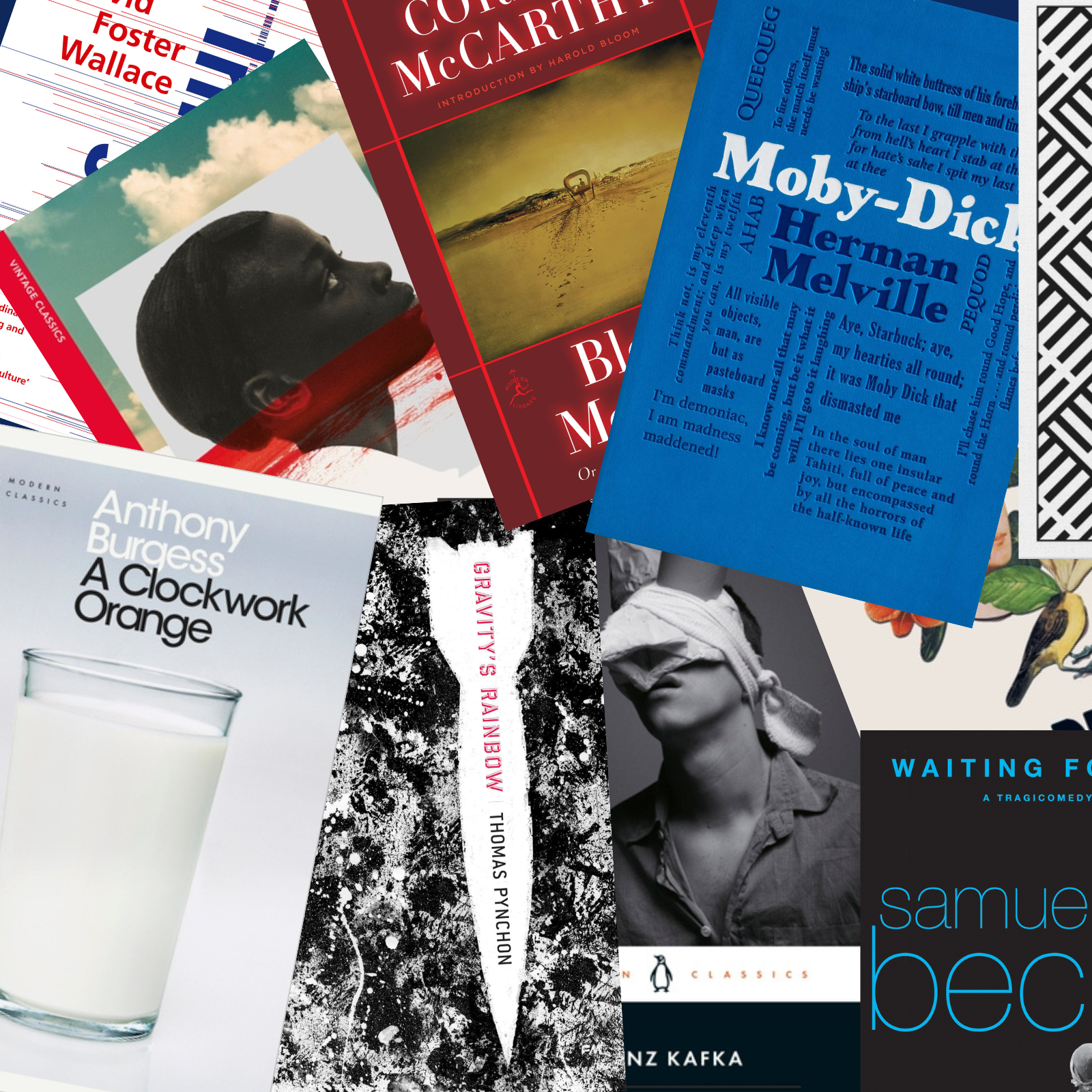
1.Moby-Dick by Herman Melville
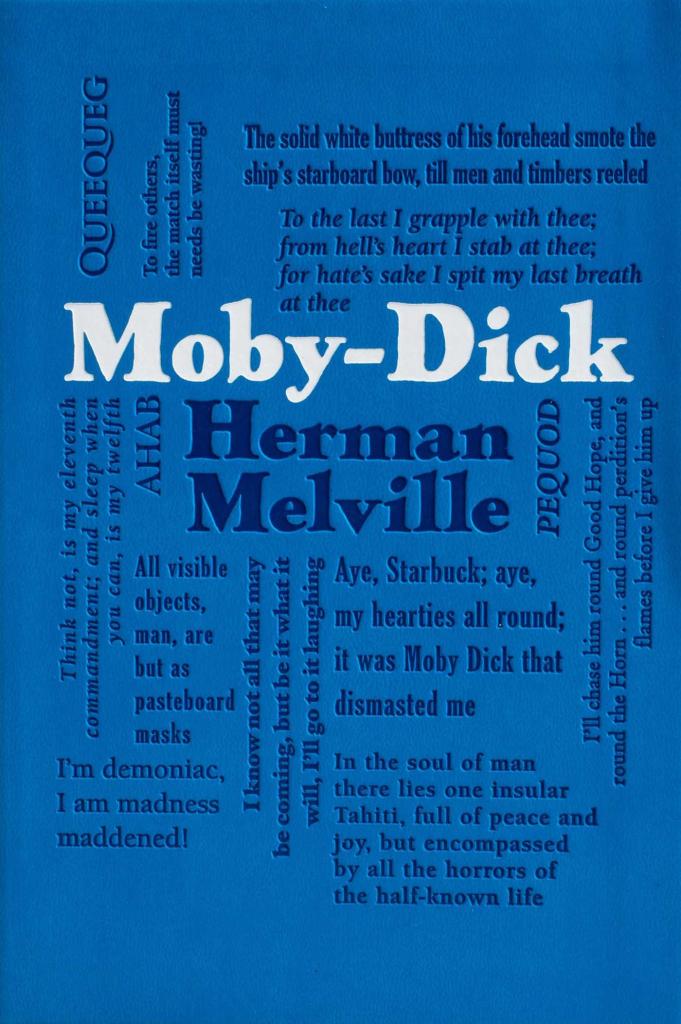
Too long. Too detailed. Too obsessed with whales. But beneath the encyclopaedic madness is a profound meditation on obsession, knowledge, and the absurdity of trying to find order in chaos. If I could, I’d show students how Melville turns madness into philosophy.
2. The Brothers Karamazov by Fyodor Dostoevsky
It’s not a novel you teach; it’s a novel you wrestle with. It’s too long, too dense, too full of moral and theological detours. But it contains the great questions – about guilt, freedom, and faith – that still echo through modern literature. Every conversation about morality starts or ends here.
Buy The Brothers Karamazov on Amazon
3. Gravity’s Rainbow by Thomas Pynchon
This one doesn’t just break the rules; it forgets they ever existed. Paranoia, rockets, mathematics, and conspiracy theories swirl together into something both hilarious and terrifying. I’d love to teach it – but first I’d have to understand it, and I’m not sure anyone ever really does.
Buy Gravity’s Rainbow on Amazon
4. Blood Meridian by Cormac McCarthy
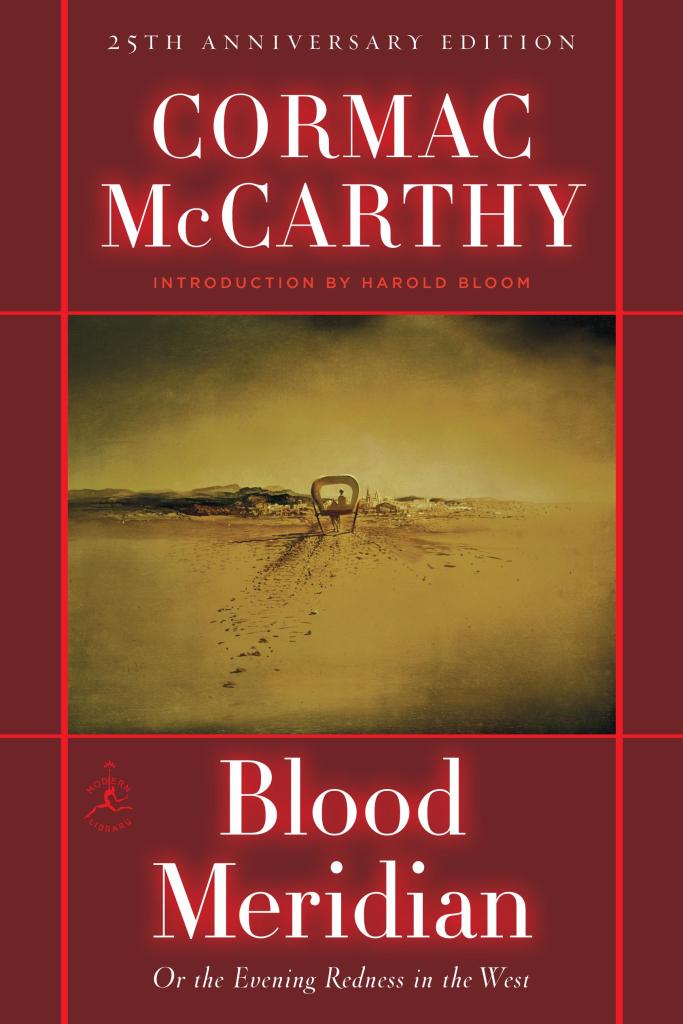
I couldn’t teach it because of the violence – but that’s exactly what makes it so powerful. One of the most psychically demanding classics in recent American literature, it’s a meditation on evil and the nature of war, written in prose so biblical it feels ancient. You finish it shaken, unsure whether you’ve read a novel or a prophecy.
5. One Hundred Years of Solitude by Gabriel García Márquez
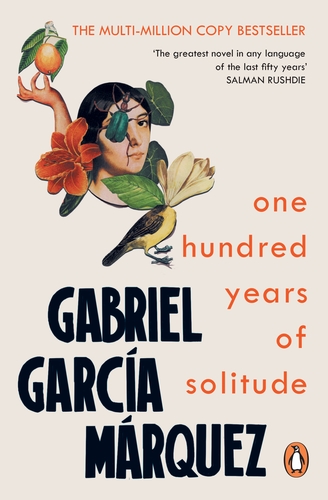
It’s a book of miracles and madness but to teach it properly, you’d need to teach an entire worldview. Its magic realism isn’t whimsy; it’s philosophy. Márquez writes history the way memory remembers it – beautifully, selectively, and painfully. Every page feels like myth disguised as truth.
Buy One Hundred Years of Solitude on Amazon
6. Beloved by Toni Morrison
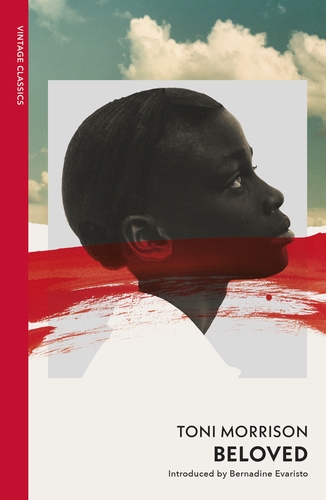
I’d teach it in a heartbeat if I could give it the time it deserves. Morrison’s language is so rich, so rhythmic, that every page demands close reading. Beloved is a ghost story, a historical reckoning, and a cry of human pain – a book that doesn’t just describe trauma, but embodies it.
7. A Clockwork Orange by Anthony Burgess
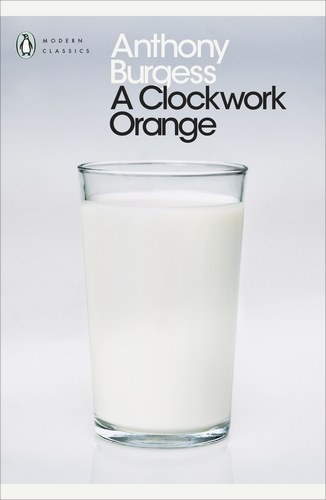
This was personal favourite through high school It’s dazzling, disturbing, and linguistically revolutionary. The challenge of this classic is its violence, and the invented slang (“nadsat”), make it nearly impossible to teach without losing half the class to confusion. Still, it’s one of the most important books on morality and freedom – a terrifying look at what happens when choice disappears.
Buy A Clockwork Orange on Amazon
8. Waiting for Godot by Samuel Beckett
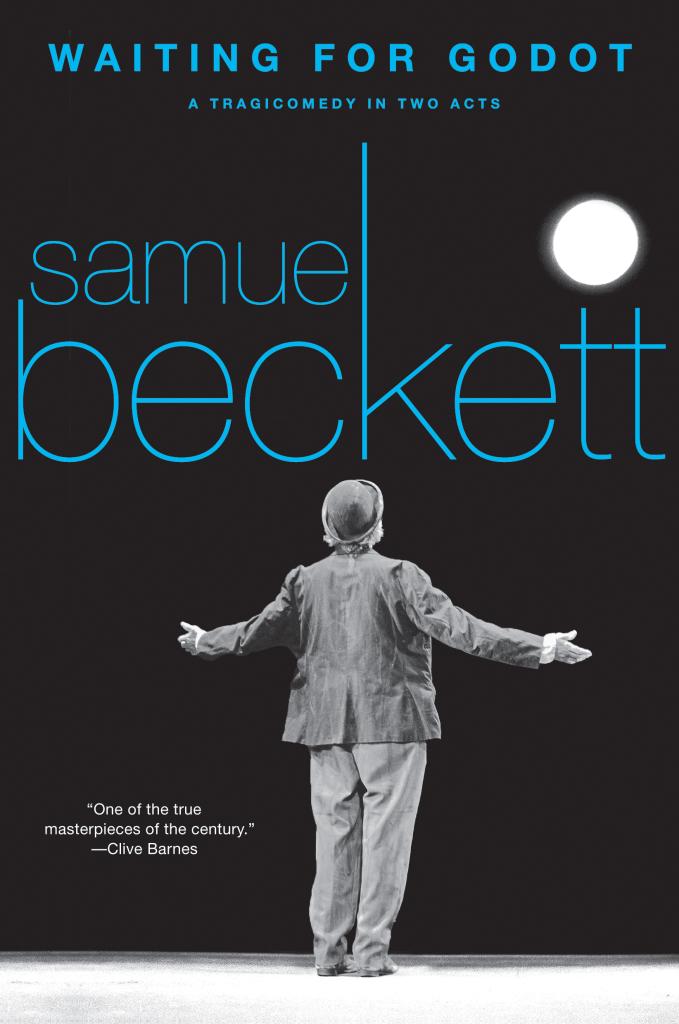
Two men, a tree, and endless waiting – that’s the entire play. It’s absurdism distilled to its essence. I love how Beckett turns nothingness into meaning, but it’s nearly impossible to teach without the class thinking you’ve lost your mind. Still, no other text captures the quiet comedy of human futility quite like this.
If you’d like to view it yourself in all its absurdity, it is available here.
Buy Waiting for Godot on Amazon
9. Infinite Jest by David Foster Wallace

Now this is a demanding read. A thousand pages, hundreds of footnotes, and the best commentary on addiction, entertainment, and modern loneliness ever written. It’s brilliant and exhausting – a postmodern labyrinth that reflects how fractured our world has become. I’d teach it if I could find a way to do it without losing the will to live by week two.
That doesn’t mean Wallace is off my list completely. I’m a big fan of his commencement address and regularly go over it with my students (to listen or read).
10. The Trial by Franz Kafka

Every student should encounter Kafka, but few have the patience for him. The Trial is all dread and absurdity – a man arrested for a crime he doesn’t understand, by a system no one controls. It’s the modern condition in pure form. You can’t explain The Trial, you just have to sit in its confusion and feel how familiar it is.
Why These Matter Anyway
These advanced classics are the books that don’t fit the classroom – they overflow it. They resist simplification, defy summary, and demand to be read slowly.
They remind me that literature isn’t just something we study – it’s something that happens to us.
Even if I never get to teach them, I’m glad they exist to haunt the edges of my syllabus.