


I remember my bewildered mother looking at me enraged. Another argument? Nope. So I shrugged my shoulders. I’m pretty sure English hated me. And that was fine. It was mutual. My time was better spent on week long trail rides with friends or out-running angry dogs, farmers or bulls that found us trespassing on their territory (sometimes shortcuts come at a price).
I mean if I want to know something – Google; If I want entertainment – movies. Really, what was the point of reading?
But then some bogus triple-A tranches gave way and our life began to spiral.
When the Global Financial Crisis hit we lost all certainty, all stability, and eventually we lost our home. So to pick-up the pieces, my dad picked-up a new job, we packed-up our things and moved-off to the middle of nowhere – Central Queensland. No friends. Nowhere to go. But worst of all – No working TV and No internet.
And so, out of sheer boredom, I picked up a book. And then another, and another…
It was then that I realised: stories are key to understanding ourselves, others, and the world.
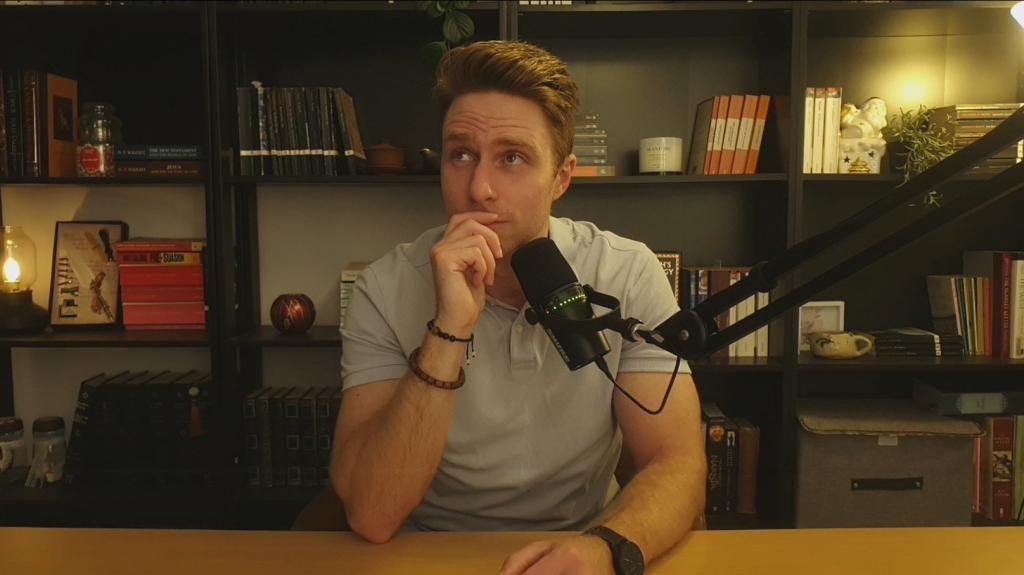
My Fails in English turned into High Distinctions and after graduating high school, I studied the Liberal Arts, where I was mentored by brilliant minds from institutions like Duke, Cambridge, and Oxford. They showed me books are more than grades – It is about meaning.
As a result, a deep disillusion began to set in. Why did I not know all this before? Why hadn’t anyone shared this with me when I was younger?
So I began teaching to give to others what I wish I had learned earlier.
And the rest, as they say, is history.
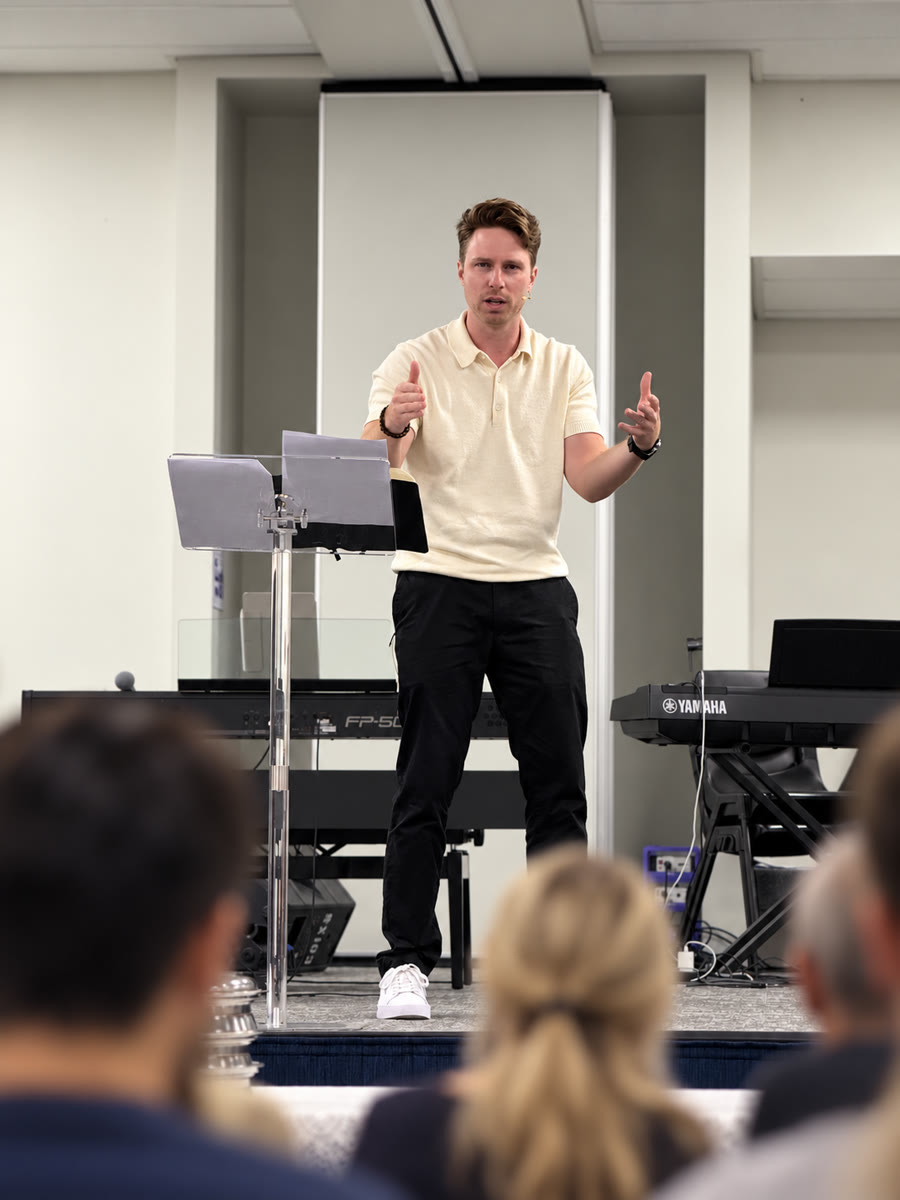
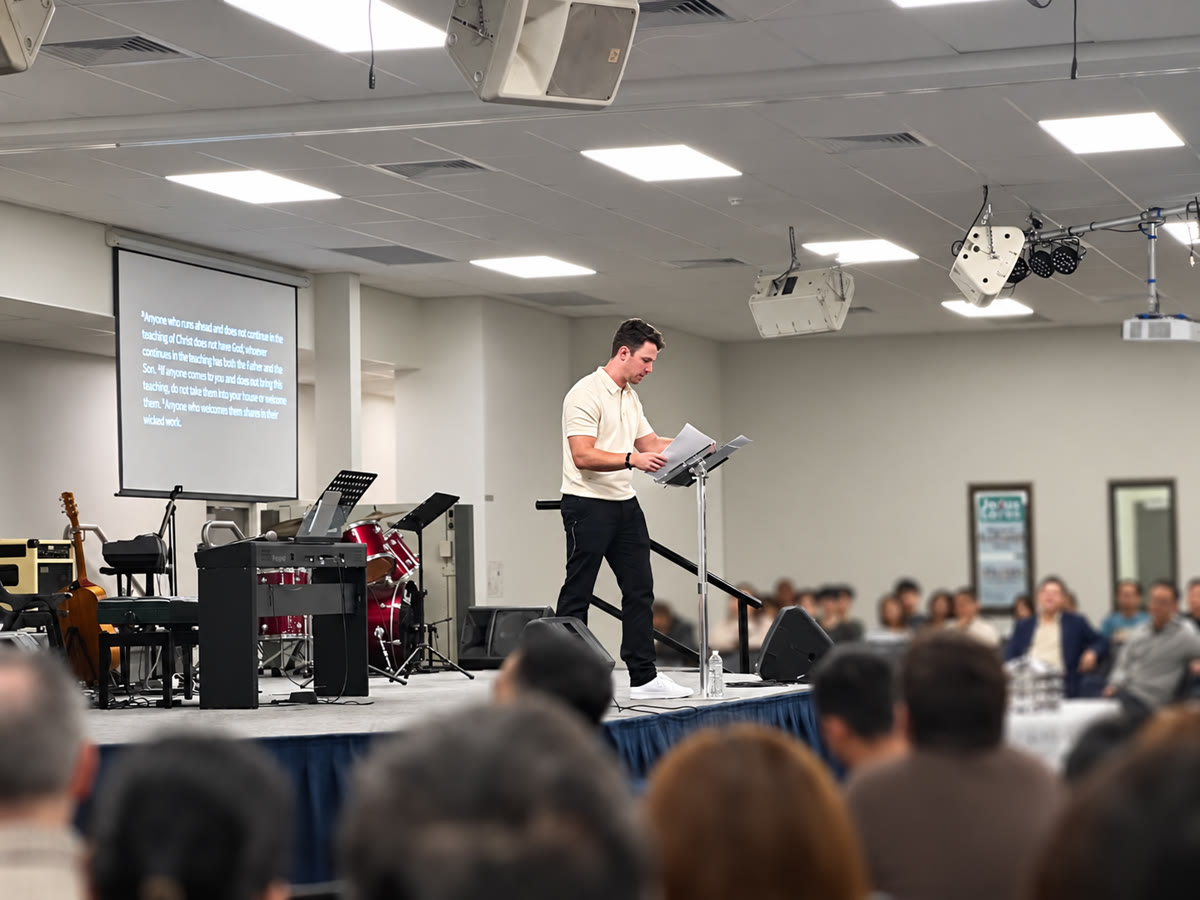
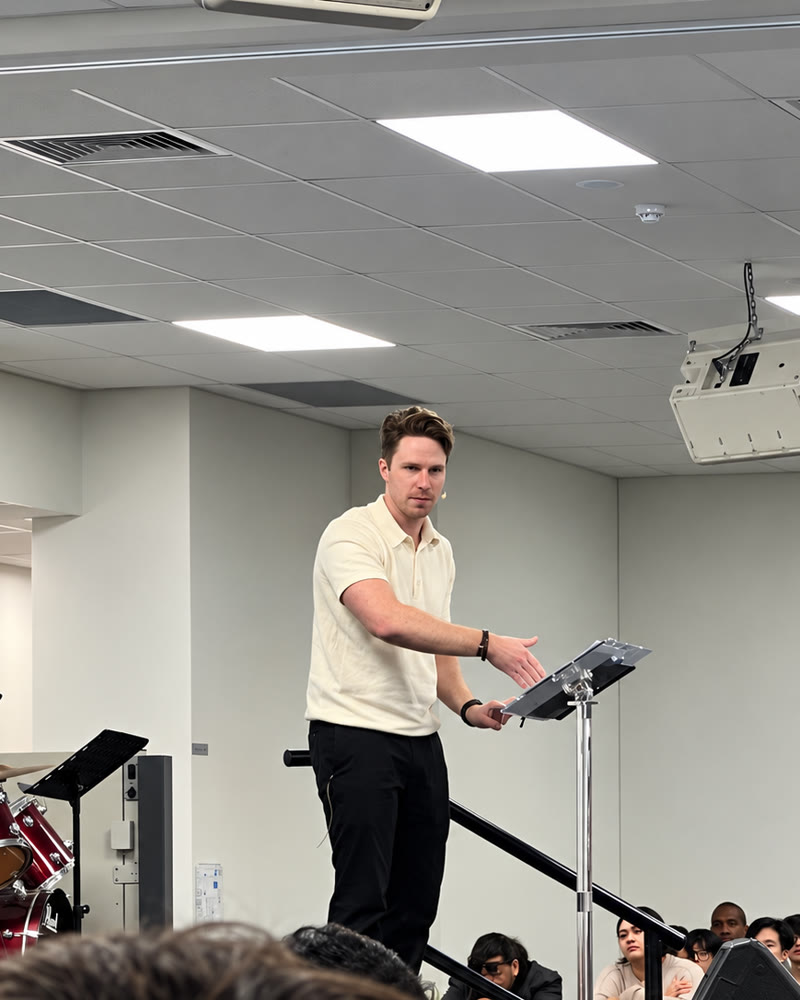
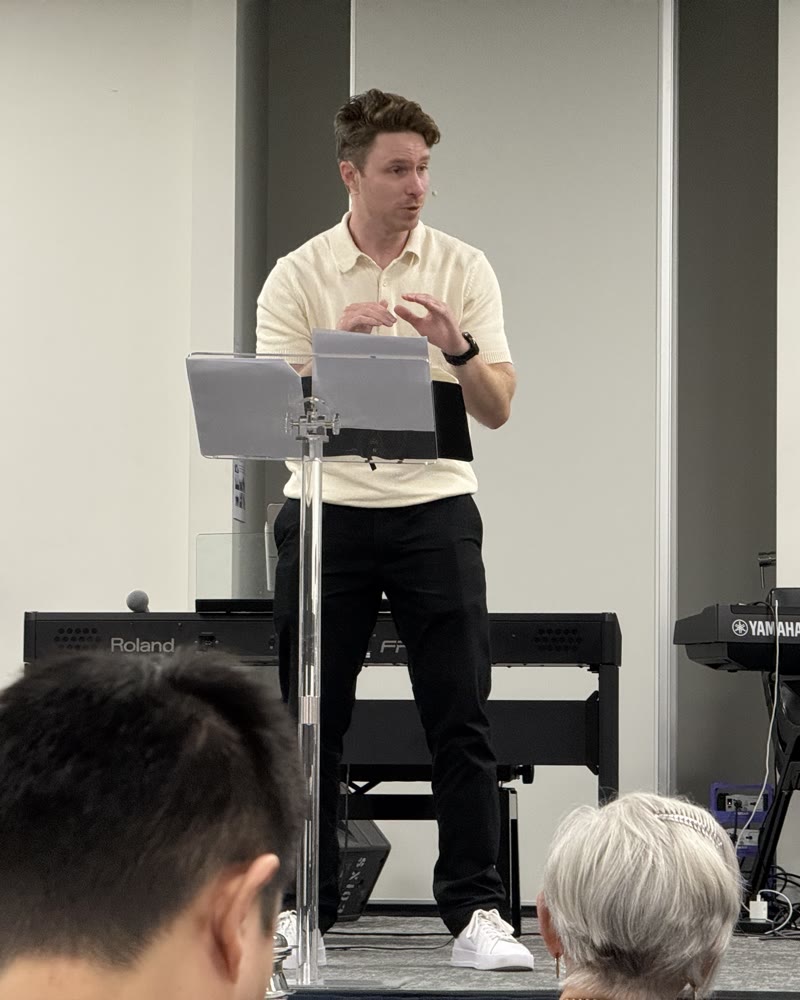
Teaching doesn’t stop when the lesson ends. Outside my tutoring work I serve in pastoral ministry at my church here in Brisbane, where I preach and teach regularly.
Standing in front of a room full of people is the same craft I teach my students: know what you think, say it clearly, and make it matter to the people in front of you. Every talk I give is practice in exactly what I ask of them.
Pastoral work has also shaped how I teach. Every student who walks in is a whole person before they are a mark on a page. I care about who they are becoming, not only what they score.

At J.P. Irwin Academy, we take students beyond formulas and templates. We teach them how to think, write, and express themselves with impact.
 Deep Theoretical Foundations
Every lesson is built on a foundation of logic, literary theory, and critical thinking—ensuring that students develop a deep and lasting understanding of writing and analysis.
 A Personalised Approach
No two students are the same. That’s why I emphasise individual guidance, tailored feedback, and structured learning paths.
 The Power of Storytelling
Storytelling is at the heart of how we learn, remember, and persuade. I integrate narrative techniques into teaching so students can:
To provide personalized instruction and in-depth feedback, we limit enrolment. Spaces fill quickly—once we reach capacity, enrolment closes.